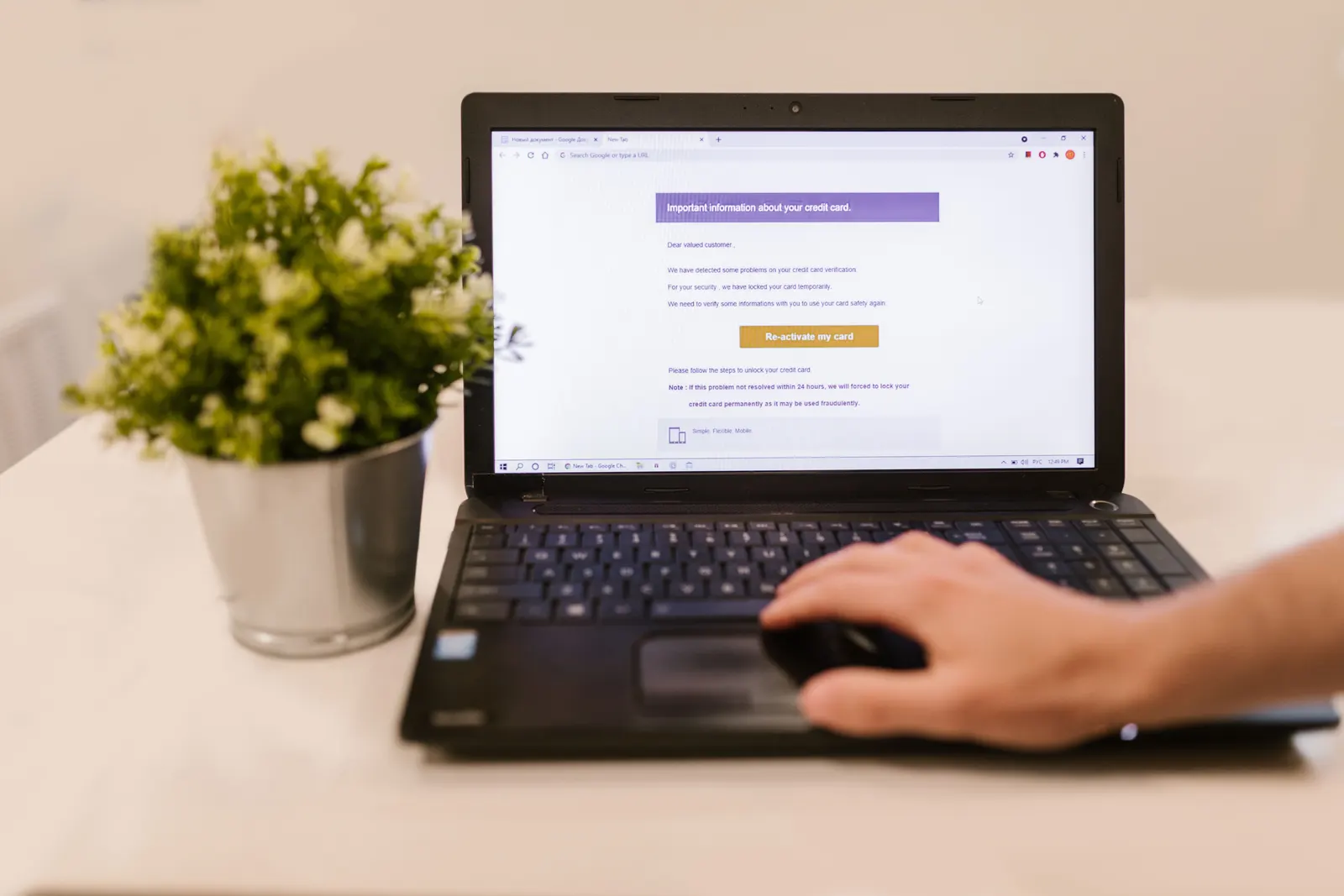
Here's an uncomfortable truth nobody warns you about: you can pour 3 months and a small fortune into a gorgeous website, hit "launch" with the confidence of someone who definitely read the instructions, and then... nothing. No calls. No form fills. Just the soft chirping of crickets and an analytics graph flatter than week-old soda.
If that's your site right now, you're in good company, and the problem usually isn't your business. It's the website experience. Most small business website mistakes have nothing to do with how a site looks and everything to do with how it works. A website can be drop-dead gorgeous and still be completely useless at turning visitors into leads. (Think of it as a sports car with no engine: stunning in the driveway, going absolutely nowhere.)
The good news? Every one of these problems is fixable, usually faster and cheaper than you'd expect. Consider this your no-jargon list of small business website tips: the 5 most common reasons your website isn't getting leads, and exactly how to fix each one.
1. There's No Clear Call-to-Action
Picture walking into a store where nobody greets you, there are no signs, and the checkout is hidden in the back behind the mops. That's what a website with no clear call-to-action (CTA) feels like. Visitors land, glance around, shrug, and leave. (Narrator: they did not come back.)

Visitors should know exactly what to do within roughly 3 seconds of landing, not "maybe email us, or call, or fill this out, or just scroll for a while and see what the universe provides."
The usual culprits:
- Too many buttons all shouting at once (when everything is important, nothing is)
- Weak, forgettable CTAs, "Submit" has never once made a human excited to submit anything
- No CTA above the fold, so your one job for the visitor is buried under 3 scrolls of stock photos
Swap vague buttons for specific, benefit-driven ones: Request a Quote, Schedule a Free Consultation, or Get a Free Estimate. Removing guesswork is the entire heart of website conversion optimization, give people one obvious next step and a surprising number of them take it.
2. Your Website Loads Too Slowly
Online, patience is measured in milliseconds. Portent's analysis of over 100 million pageviews found that a site loading in 1 second converts up to 3× higher than one that takes 5 seconds (Portent). Every extra second is basically money walking out the door, and it's not coming back for a redemption arc.

The usual suspects:
- Giant, unoptimized images (that 8MB hero photo is helping precisely no one)
- Too many plugins, each doing a little and slowing things down a lot
- Cheap, overcrowded hosting (the digital equivalent of 40 people sharing one Wi-Fi router)
- Bloated, messy code held together with hope and duct tape
Slow speed quietly hurts you 3 ways at once: visitors bounce, Google ranks you lower, and you lose leads you never even knew existed. A fast website design for small business isn't a luxury, it's the price of admission.
Quick Win: Fix One Leak This Week
You don't need a full teardown to see results. Find the single biggest leak, usually a weak CTA or a painfully slow page, and fix just that. Small, focused improvements compound surprisingly fast (and unlike your gym membership, this one actually pays off).

Free Website Audit
Build, improve, and grow online.
Whether you're starting fresh or improving an existing site, discover opportunities to grow online.
Book a Free Call3. The Mobile Experience Is Painful
Over half of all web traffic now comes from phones. Your visitors are on the couch, half-watching TV, judging your business with a single thumb. If your site fights that thumb, they'll bail without a second thought, and they will not be leaving a forwarding address.
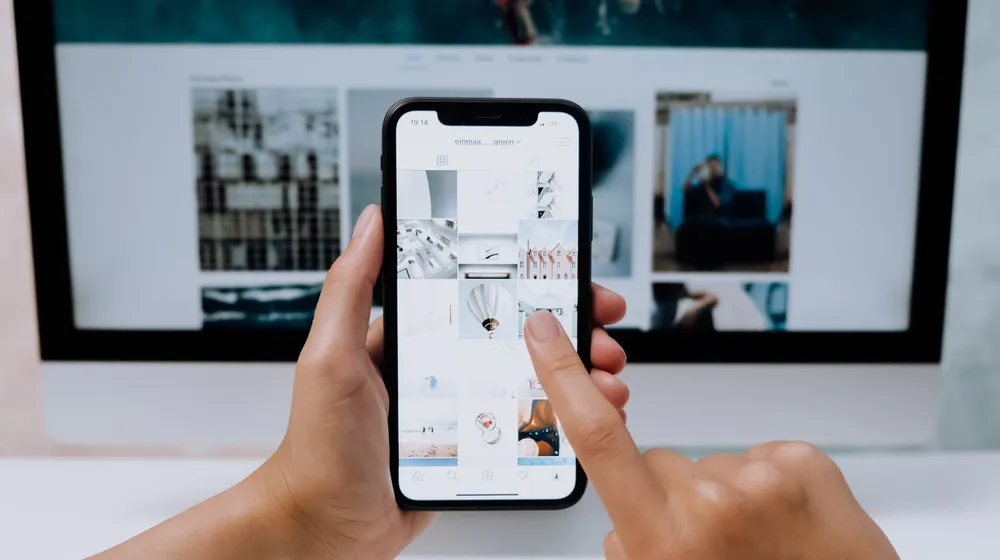
Mobile dealbreakers include:
- Text so tiny it requires a pinch-to-zoom workout
- Navigation that turns finding your services into a scavenger hunt
- Buttons crammed so close together you need a surgeon's steady hands to tap the right one
- Contact forms that feel roughly as fun as filing taxes
When mobile usability is bad, inquiries quietly ghost you. Smoothing out the phone experience is one of the simplest ways to improve website conversions, often without changing a single word of your copy.
4. There Are No Trust Signals
Here's the thing: people almost never contact a business the first time they visit. They're skeptical, they're comparison-shopping, and the internet has trained them to assume everyone is mildly sketchy until proven otherwise. In fact, Stanford researchers found that 75% of users judge a company's credibility based on its website design. Translation: your site is your handshake before the handshake.

Trust has to be earned right there on the page. Show it with:
- Real client testimonials, with names and faces, not "J.D., Satisfied Customer"
- Reviews and star ratings
- Case studies and a genuine portfolio of past work
- Certifications, awards, or partner badges
- Clean, professional branding (a logo built in 2009 quietly whispers "we may also be stuck in 2009")
Every trust signal you add chips away at a visitor's hesitation, and less hesitation means more leads.
5. You're Not Tracking Anything
This is the silent killer. Plenty of business owners genuinely have no idea where their leads come from. Ask "what's actually working?" and the honest answer is a confident shrug. Running marketing without tracking is like driving with the speedometer, fuel gauge, and windshield all taped over, technically you're moving, but good luck.

If you're not measuring it, you're guessing, and guessing is an expensive way to run a budget. At a bare minimum, track:
- Contact form submissions
- Phone-number clicks
- Booking and quote requests
Once you can see which pages and channels actually drive inquiries, you stop pouring money into the stuff that doesn't. Good tracking turns "I think the site's doing okay?" into decisions backed by real numbers, and it's usually the fastest way to finally understand why your website is not getting leads.
How to Fix These Small Business Website Mistakes
Let's recap, because that's a lot of ways for a perfectly nice website to quietly let you down. A site can look stunning and still fail to bring in a single lead. Looks get people through the door; strategy is what makes them stay and actually reach out.
The websites that consistently generate leads nail 6 things on purpose:
- Clear messaging that says what you do in seconds
- One obvious call-to-action on every page
- Fast performance that respects the 3-second rule
- A frustration-free mobile experience
- Visible trust signals that lower hesitation
- Conversion tracking so you know what's working
Miss a few of these and even great traffic quietly leaks away. Nail them, and your website finally starts pulling its weight. Fixing the most common small business website mistakes is rarely about a bigger budget, it's about a smarter, conversion-focused approach.
If your website isn't generating the leads you expected, it might be time for a professional audit and a conversion-focused redesign. Get in touch or book a free discovery call, and let's turn your site into the hardest-working salesperson on your team, minus the commission.
Does Your Business Really Need a Website in 2026?
NextHow to Integrate GoHighLevel with WordPress & Elementor

Paul Puzon
Building Websites That Drive Growth • WordPress Developer • Elementor Expert • GoHighLevel
Get the week's best marketing content