Be honest: your "website" right now might be a Facebook page and an Instagram grid you update whenever you remember. And hey, it's working. You've got followers, the occasional DM rolls in, business is fine. So does your business really need a website in 2026, or is that just something web developers say to sell websites?
Fair question. Social media is genuinely valuable, and nobody's telling you to delete your accounts. But leaning on it as your only online presence is like building your house on rented land, perfectly comfy, right up until the landlord changes the rules. A website is the one part of your online presence you actually own. Here are 5 reasons that matters more than ever.
1. You Don't Own Social Media Platforms
This is the big one. Your Facebook page, your Instagram following, your hard-won reach, none of it is actually yours. You're a tenant, and the platform is the landlord who can rewrite the lease whenever it likes (and occasionally just loses your keys for a week with no explanation).
That dependency quietly costs you:
- Algorithm changes that can slash your reach overnight, no warning, no appeal
- Account restrictions or bans, where one mistaken flag wipes out your audience
- Shrinking organic reach that nudges you toward paying for ads just to reach your own followers
- Total platform dependency, if the app goes down or out of fashion, so does your storefront
A website you own doesn't get suspended, throttled, or trend its way into irrelevance. It's yours.
2. Customers Expect a Website
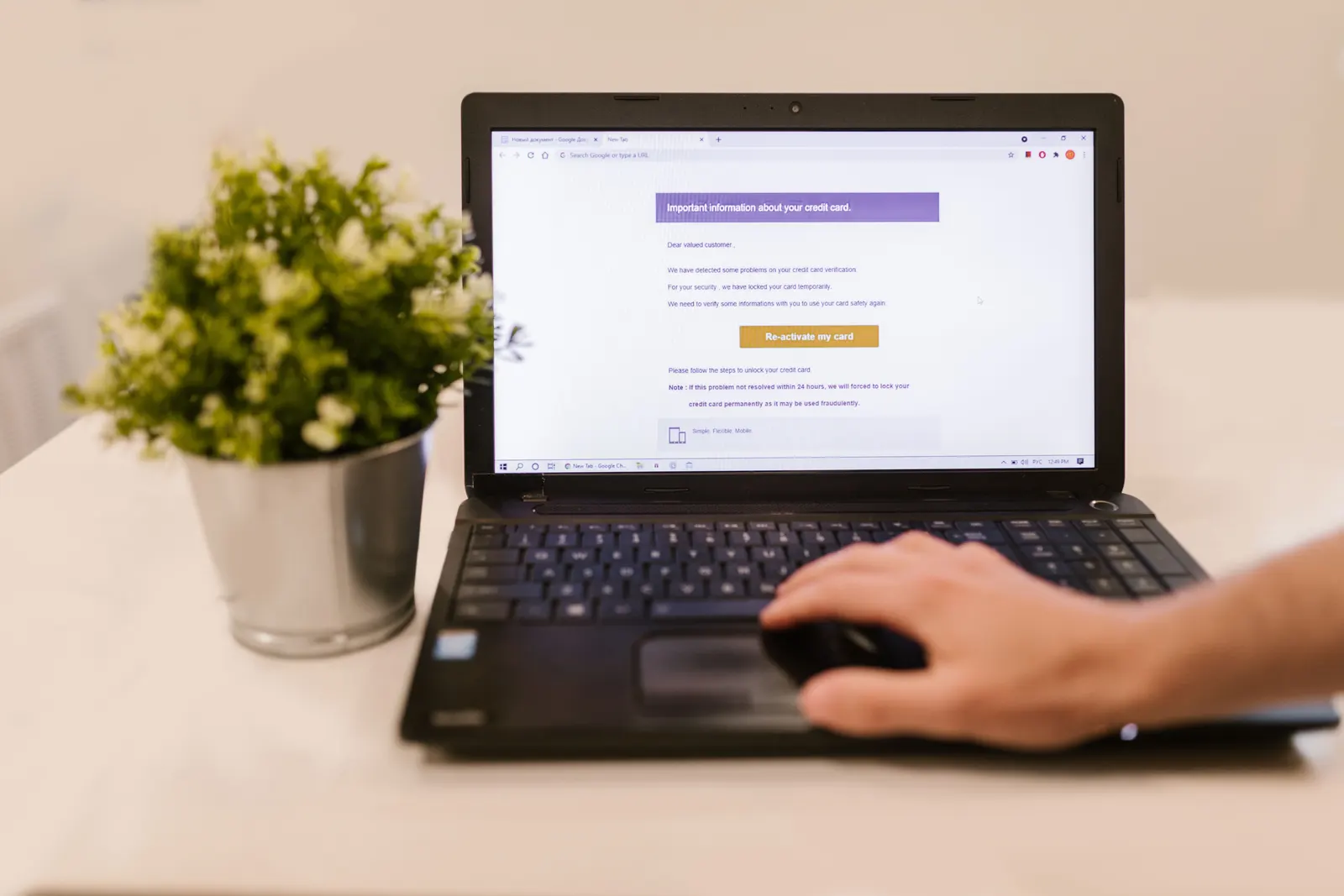
When someone hears about your business, the first thing they do is look you up. And when the trail ends at a profile with no website, a quiet little voice asks, "...is this legit?" The data agrees: studies have found that 84% of consumers consider a business with a website more credible than one with only social media.

A real website signals three things a social profile can't fully fake:
- Credibility, you're an established business, not a weekend experiment
- Professional appearance, you control the layout, the message, and the first impression
- Trust, services, testimonials, and policies, all in one place you own
For a small business website, closing that credibility gap is often the difference between "I'll book them" and "eh, I'll keep looking."
3. A Website Works While You Sleep
You have to switch off eventually. Your social presence mostly works when you're actively posting, but a website keeps working at 2 a.m., on weekends, and during the one holiday you finally managed to take.
While you're off the clock, a well-built website:
- Captures leads through contact and booking forms
- Answers your most common questions before anyone has to ask
- Generates inquiries 24/7, across every timezone your customers live in
It's the one employee who never calls in sick, never asks for a raise, and never needs a coffee break.

Free Website Audit
Build, improve, and grow online.
Whether you're starting fresh or improving an existing site, discover opportunities to grow online.
Book a Free Call4. Websites Help You Show Up on Google
Here's something social media simply can't do: rank on Google. When someone types "plumber near me" or "best bakery in town," social profiles rarely surface, websites do. And that's a big deal, because BrightLocal found that 80% of consumers search online for local businesses every week (BrightLocal).
A website for a local business is your ticket to:
- Local SEO, showing up when nearby customers search for exactly what you offer
- Organic traffic, visitors who find you for free, no pay-per-click required
- Long-term visibility, a solid page can rank for years
A social post has the shelf life of a banana; a search ranking quietly compounds in the background for years.
5. Your Website Becomes Your Digital Headquarters
Think of your website as mission control. Your Instagram bio, your Google listing, your business card, your email signature, they're all roads, and your website is the destination they point to.
Your digital HQ pulls everything into one place:
- A portfolio that shows your best work in a single scroll
- Clear services and pricing, presented on your terms
- Contact information that's always easy to find
- Lead generation built into every page
Social media sends people somewhere. Your website is the somewhere.
Quick Win: Claim Your Free Google Business Profile
A proper website takes a little time, but you can plant a flag on Google today for free. Claim your Google Business Profile, add your hours, a few photos, and a link, and you'll start surfacing in local "near me" searches and Maps. It won't capture leads or tell your full story the way a website does, but it's the fastest credibility you can buy with zero pesos, and the perfect first road pointing back to the digital HQ you build next.
So, Does Your Business Need a Website?
Let's bring it home. A website isn't a replacement for social media, your accounts are still brilliant for reach, personality, and staying top-of-mind. But they're the marketing; your website is the foundation everything else stands on.
A quick recap on the real business website benefits, and why businesses need websites in 2026:
- You own it, no algorithm or ban can take it away
- It makes you credible the moment a customer looks you up
- It works 24/7, capturing leads while you sleep
- It helps you show up on Google for the long haul
- It's your digital headquarters, tying every channel together
So if you've been quietly wondering whether your business needs a website, here's the honest version: social media rents you an audience, but a website lets you build something you actually keep.
Thinking about building your first website? Let's discuss your business goals, or book a free discovery call, and we'll map out exactly what your business needs (and, just as usefully, what it doesn't).
How Much Does a Professional Website Cost in the Philippines in 2026?
NextWhy Most Small Business Websites Fail to Generate Leads (And How to Fix Them)

Paul Puzon
Building Websites That Drive Growth • WordPress Developer • Elementor Expert • GoHighLevel
Get the week's best marketing content